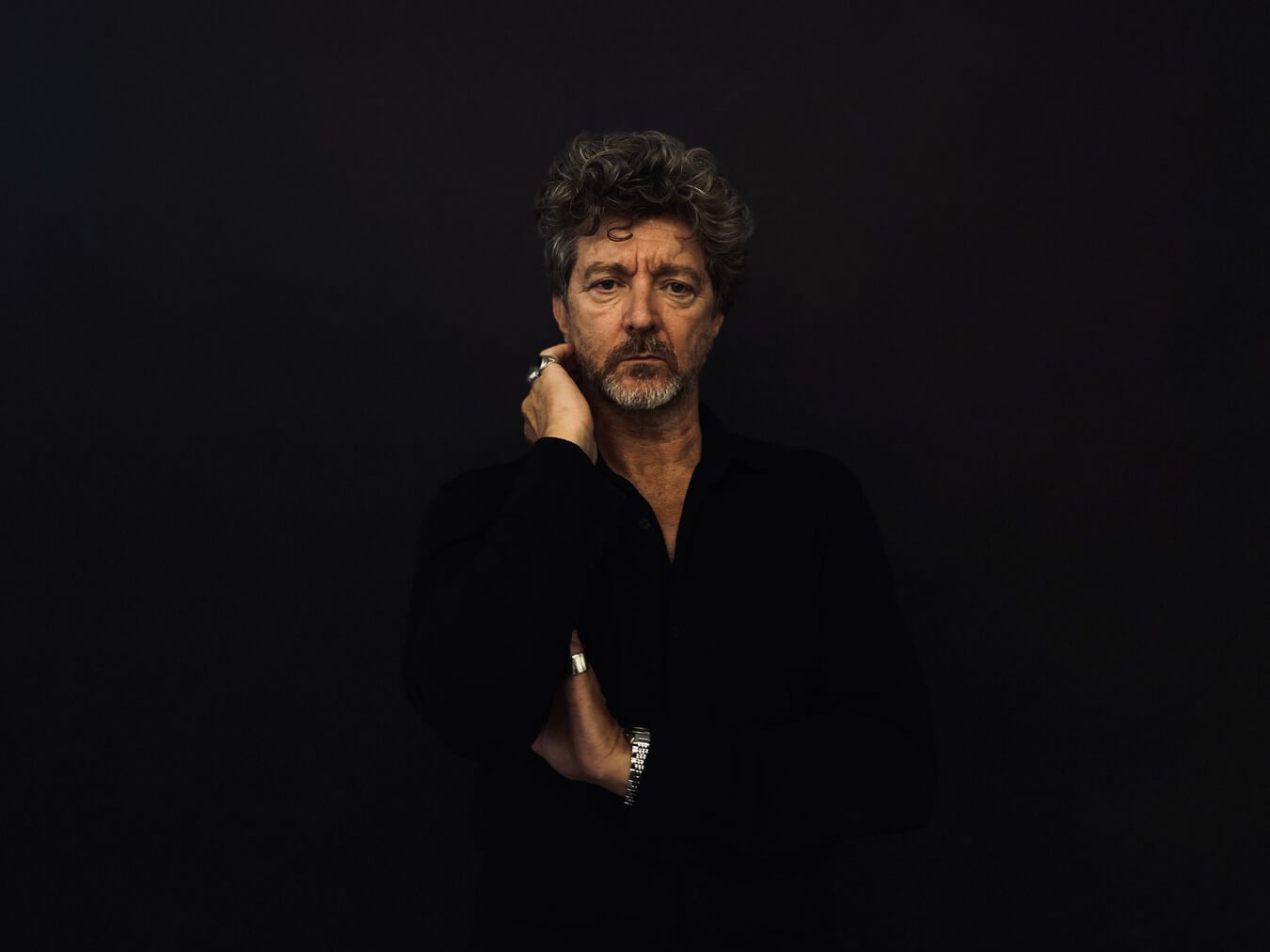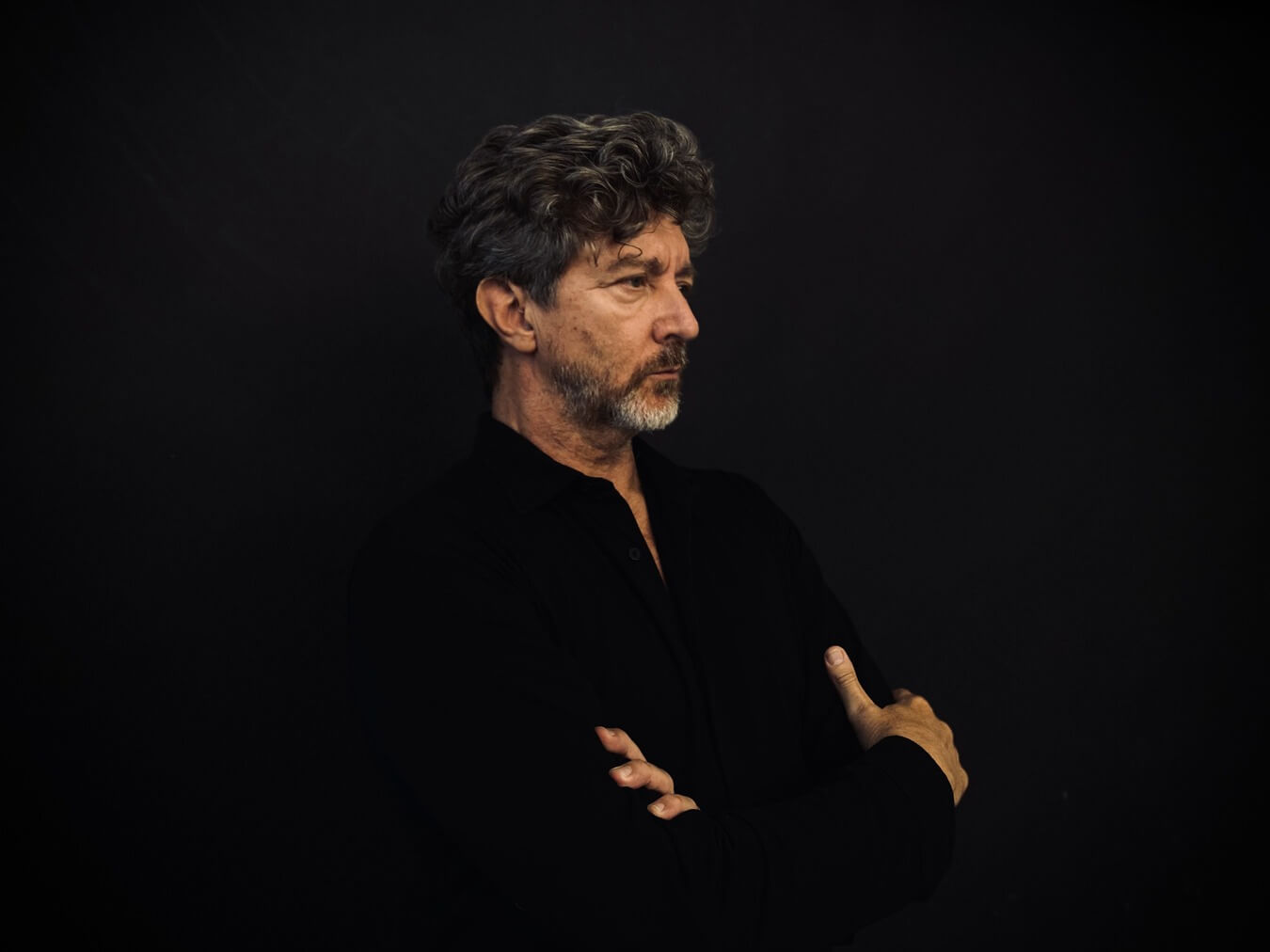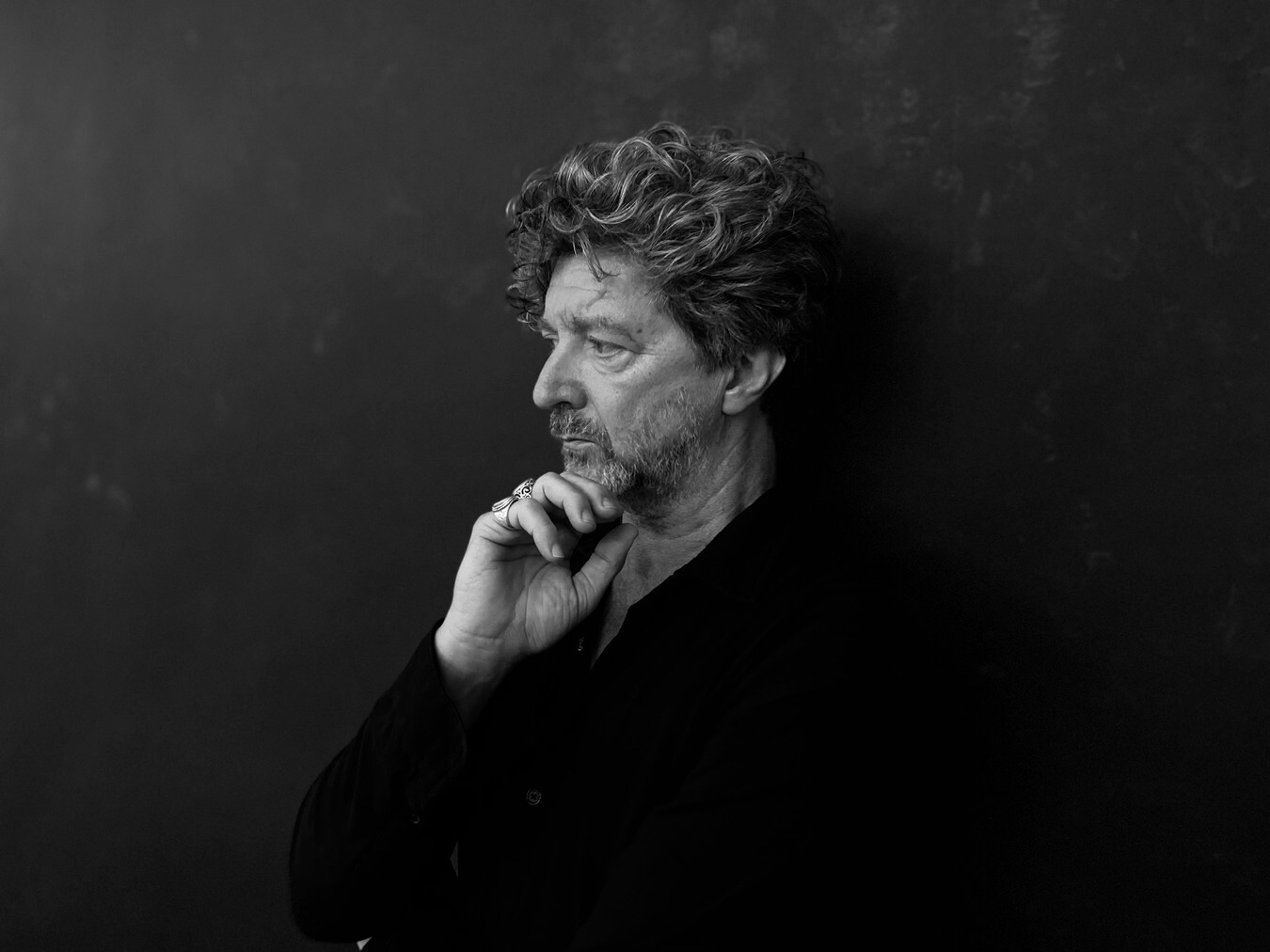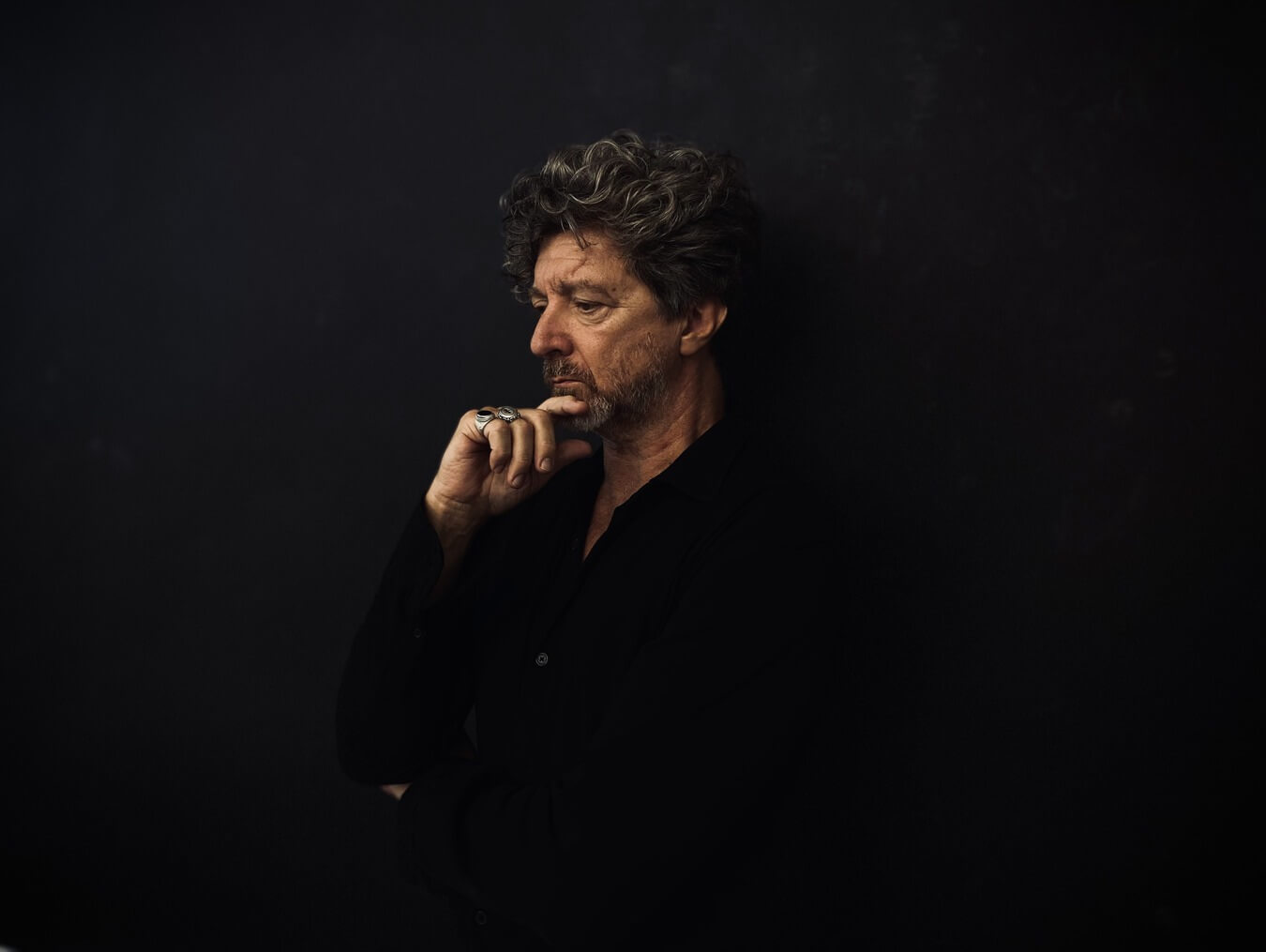

Stage Director Renato Zanella Joins Crescendi Artists
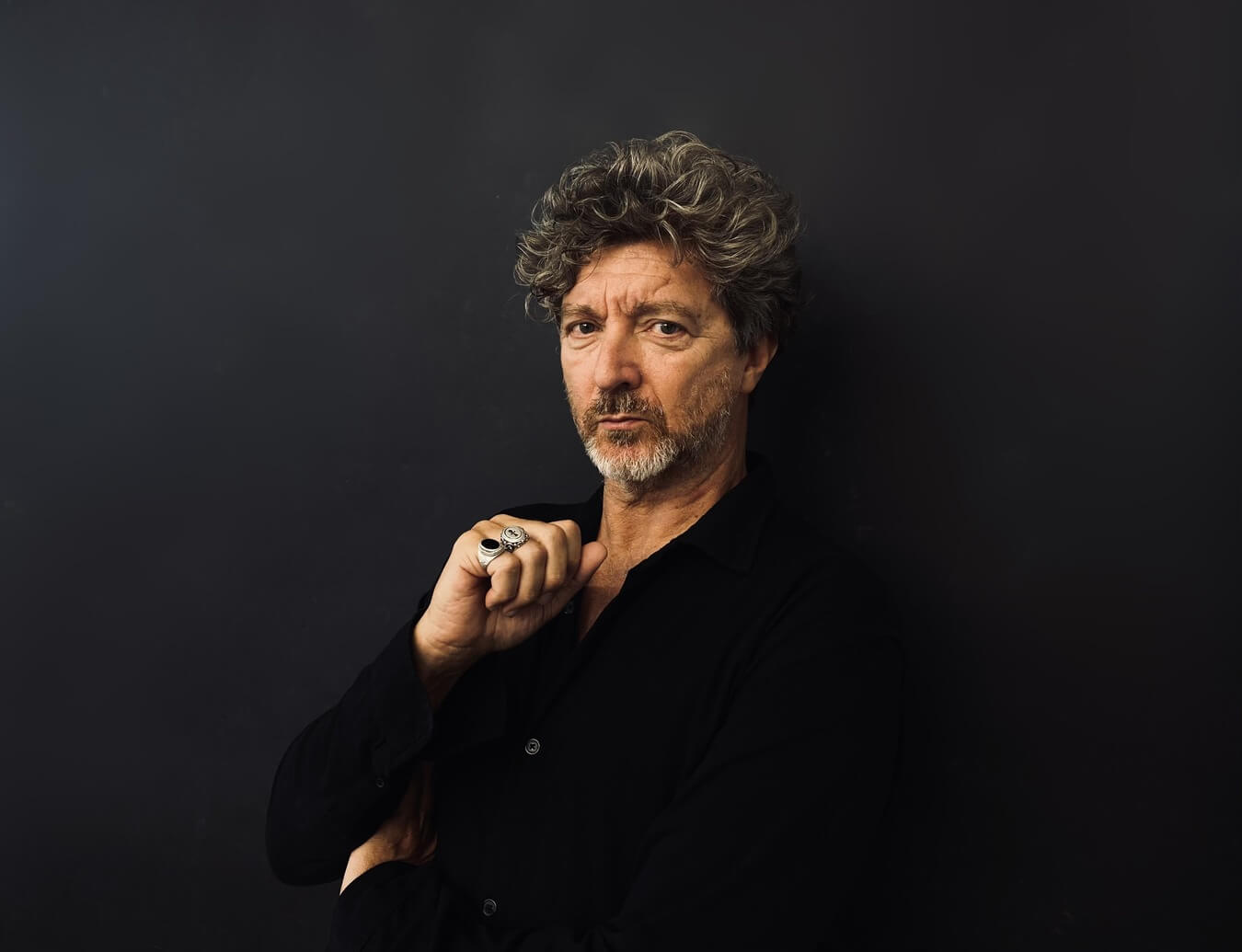
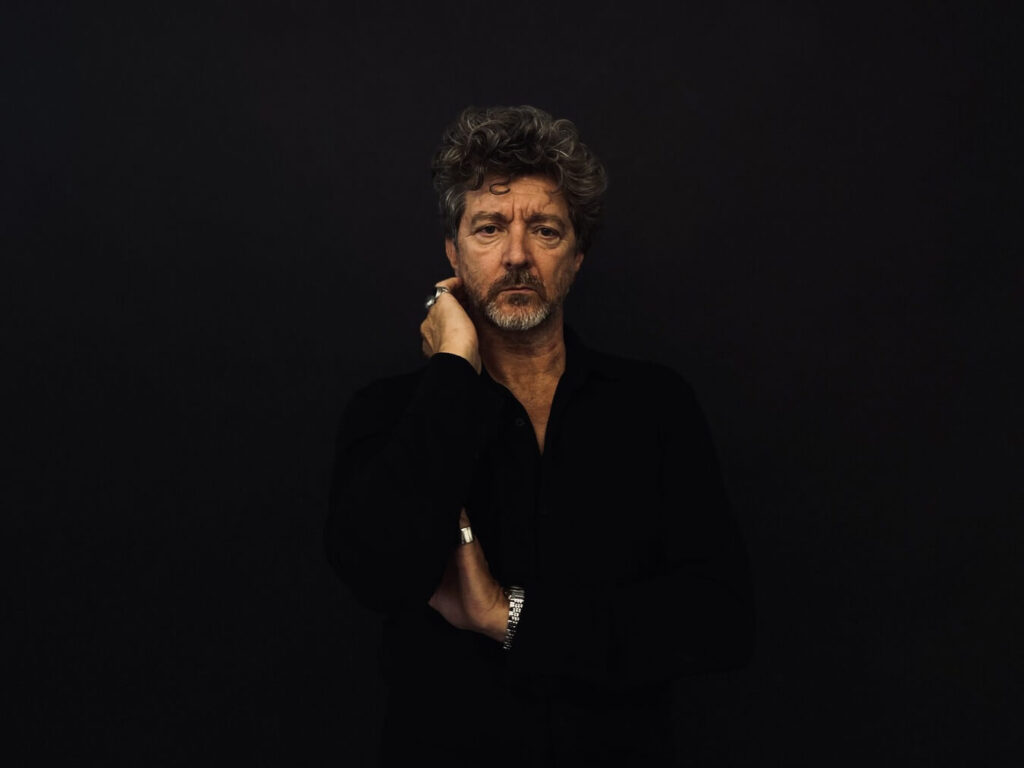
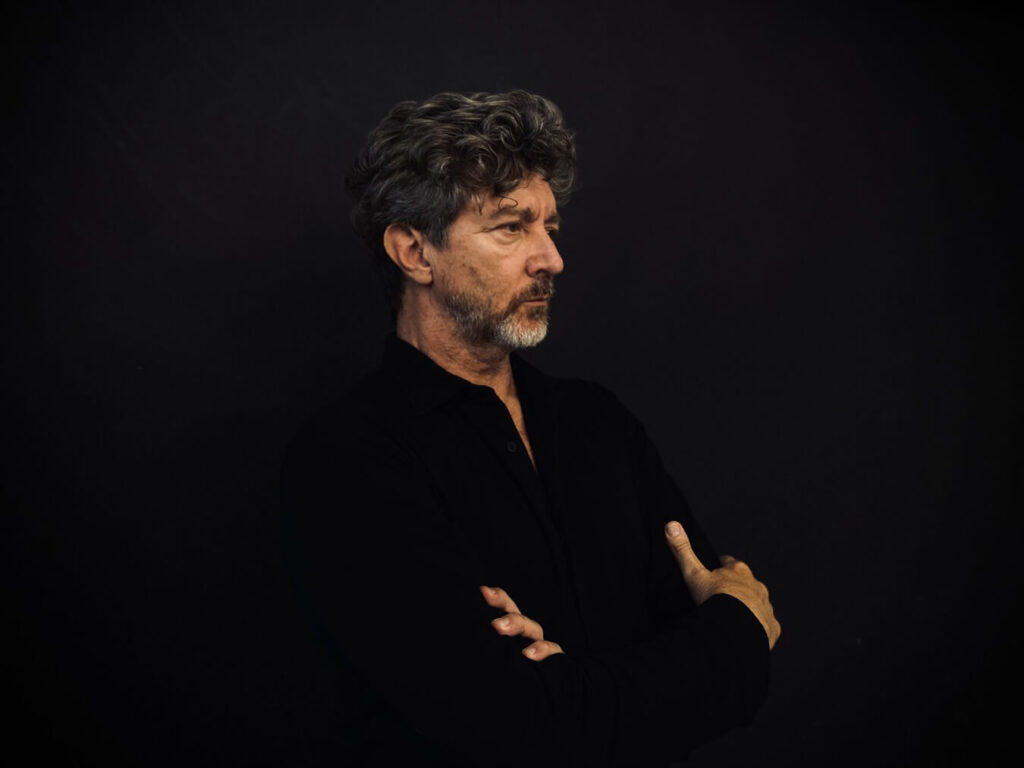
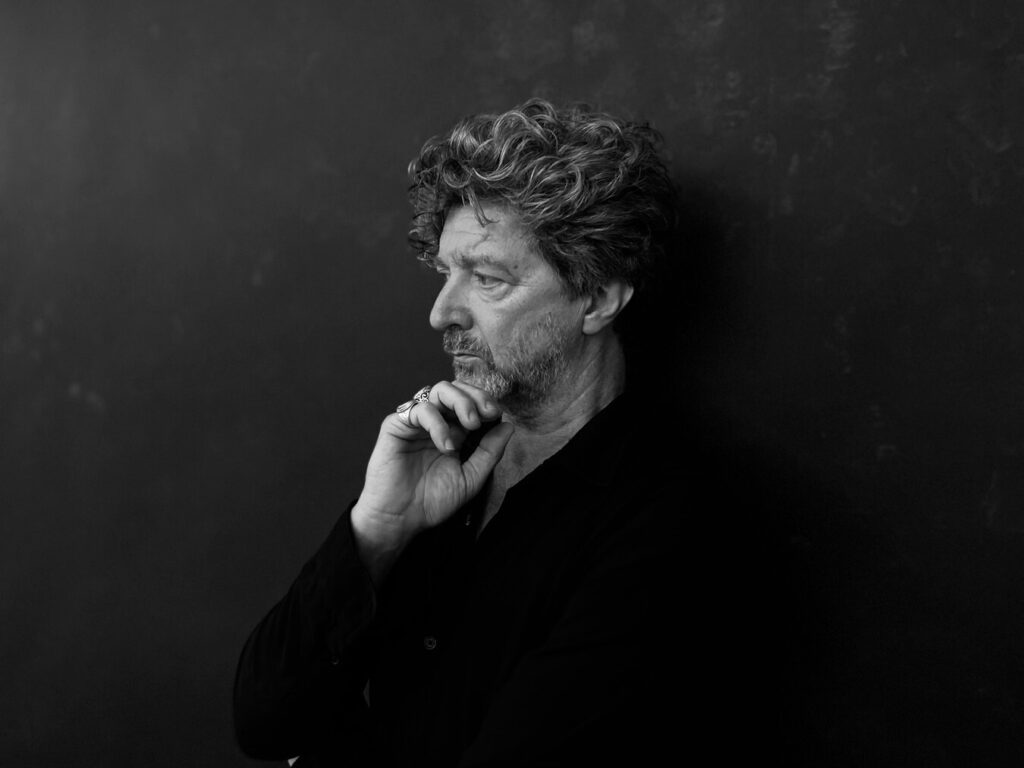
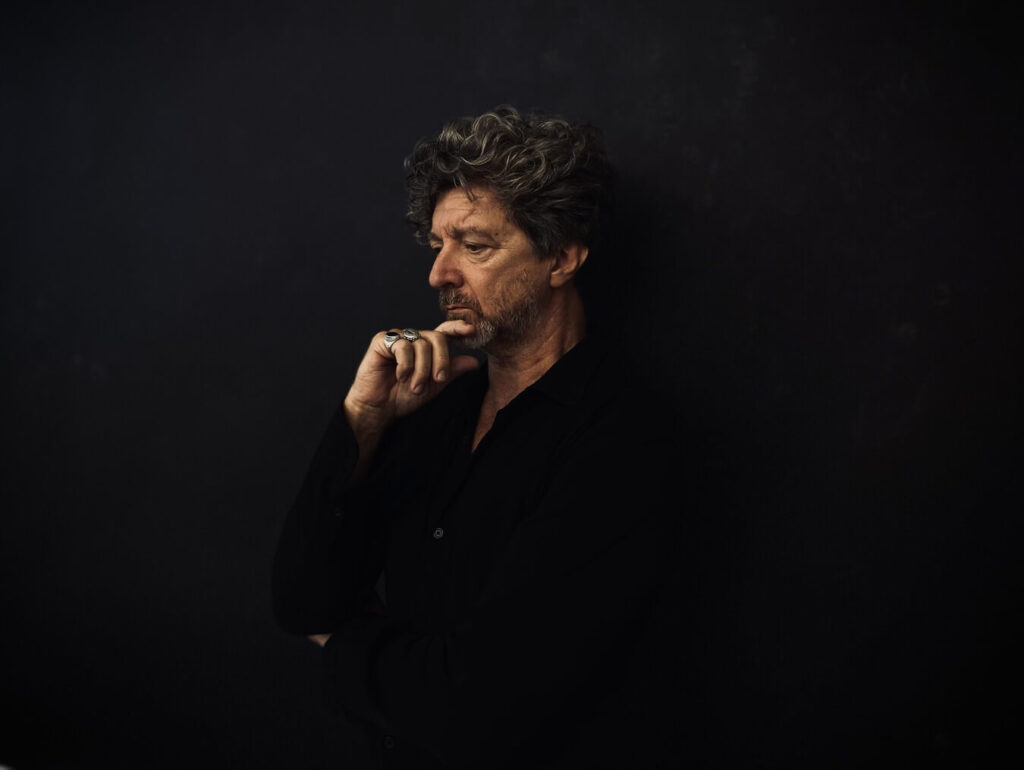
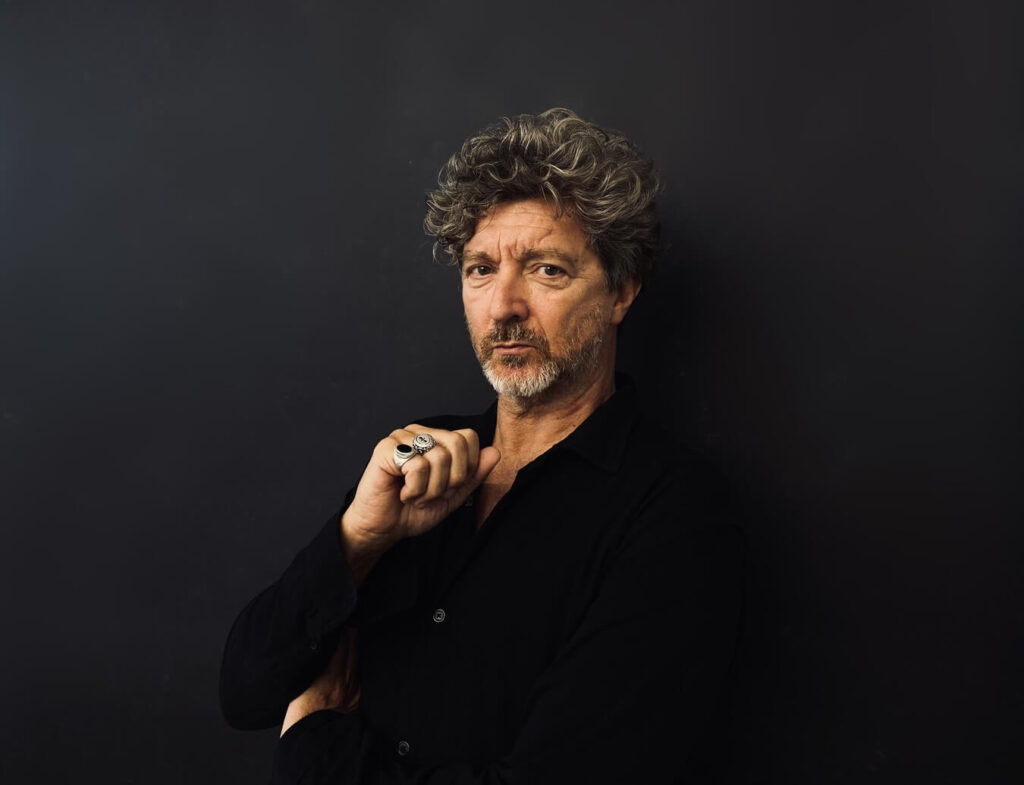
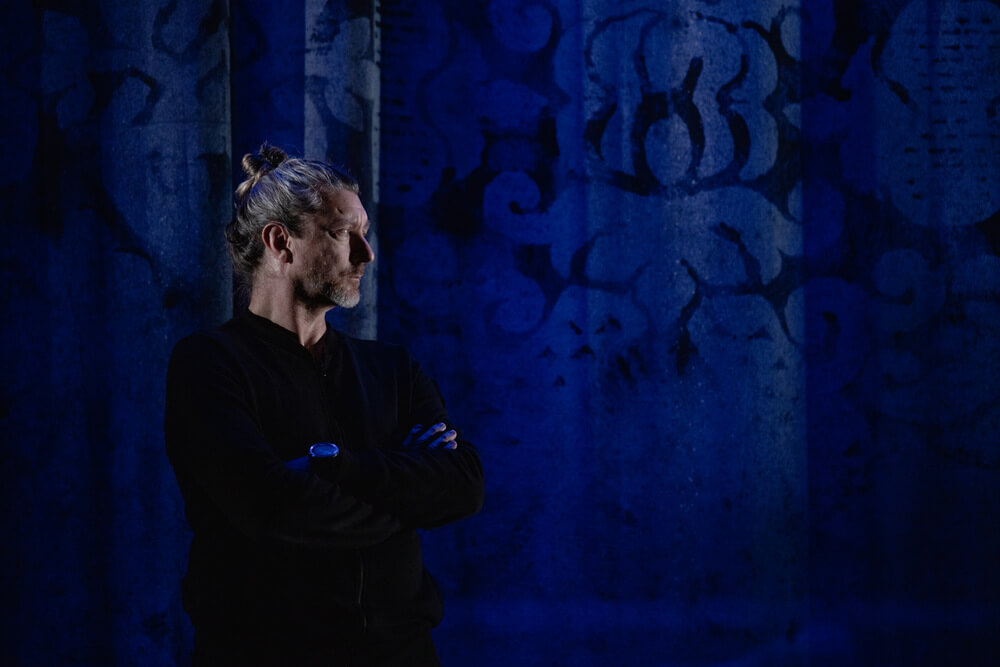
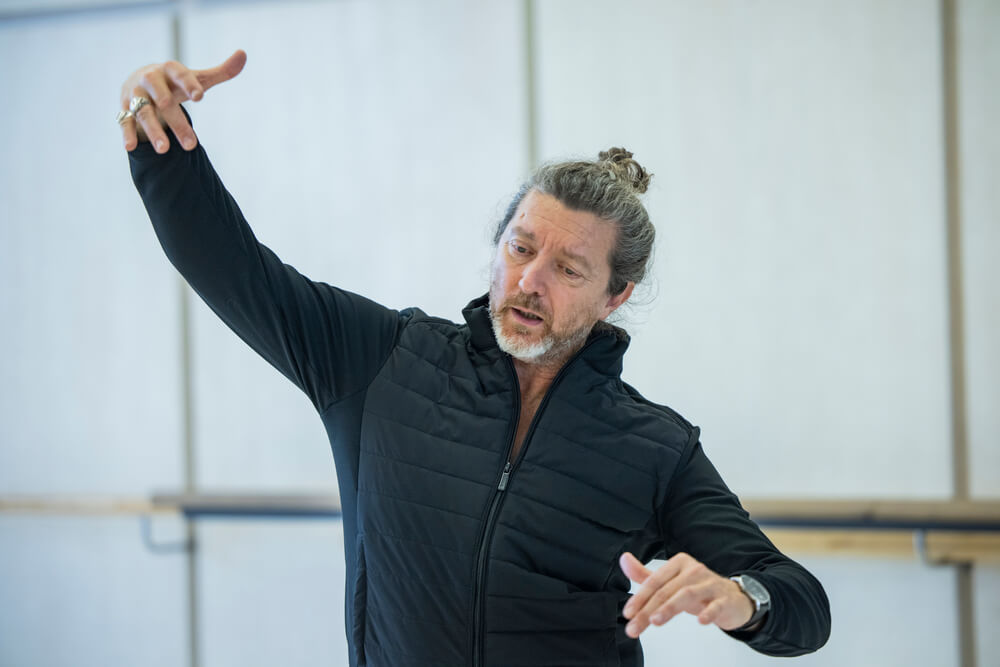
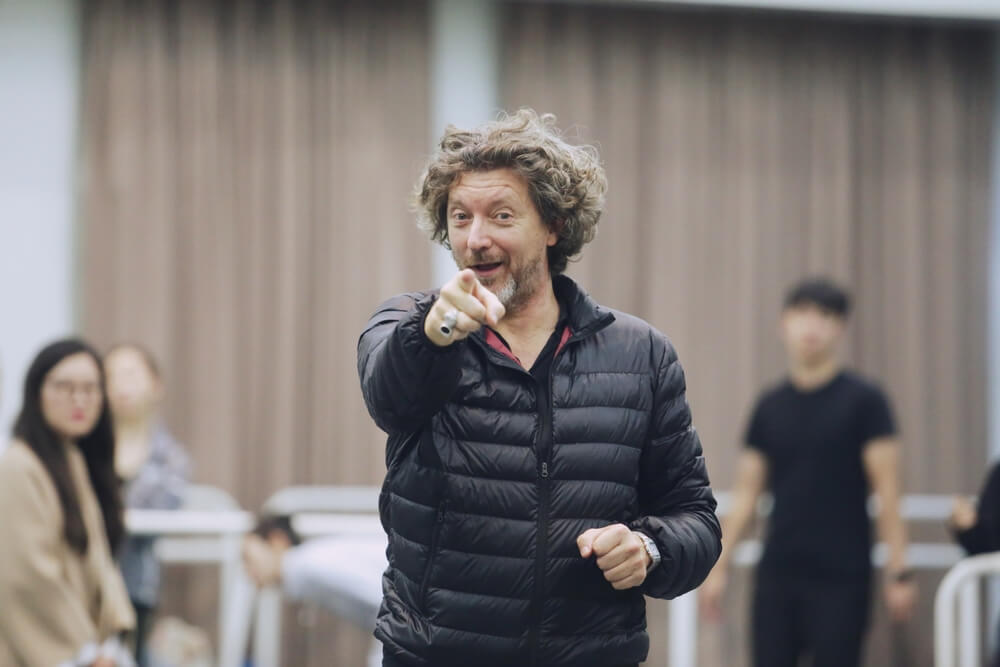
Crescendi Artists is delighted to welcome renowned Italian stage director and choreographer Renato Zanella to its roster for worldwide representation…
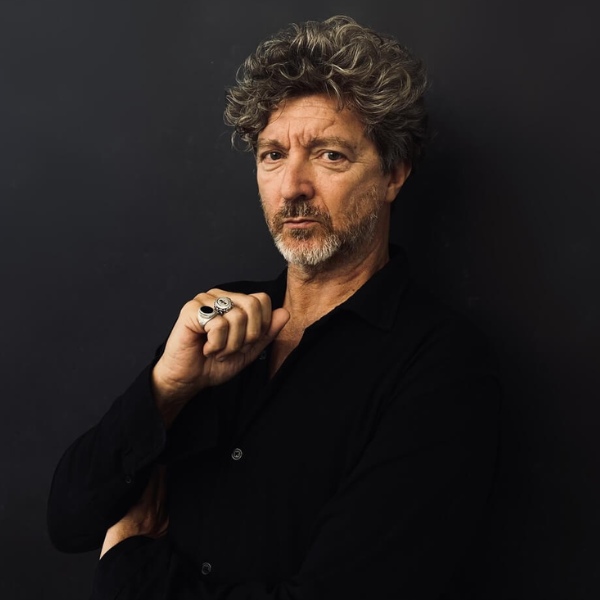
Renato Zanella is an internationally distinguished Italian stage director and choreographer.
He was born in Verona, where he received his first training, before moving to the internationally known “Centre de Dance International Rosella Hightower” in Cannes, where he completed his studies and obtained his Diploma.
His first work contract was right away in 1982 with Heinz Spoerli in Basel. There, he becomes familiar with his works, with Balanchine, Van Manen, Robert North, and Ulysses Dove. In the course of the following three years, he accumulated a wealth of background and experience, which stood him in good stead when he moved on to the Stuttgart Ballet in 1985.
In Stuttgart, the Director Marcia Haydée gave Zanella not only the chance to work with great choreographers such as John Cranko, Glen Tetley, Kenneth McMillan, Maurice Béjárt, John Neumeier, Jiri Kylián, Mats Ek, William Forsythe, and Azary Plisetsky, but also to realise his own creative ambitions.
At age twenty-eight, Zanella’s first own choreography, Die andere Seite, based on the music of Joachim Kühn’s Dark, was staged for the young choreographer contest of the company. His work was integrated into the repertoire of the company, and this was the beginning of a long creative journey.
In 1991, he created for Haydée and Richard Cragun Stati d’animo based on the music of Stravinsky’s Duo concertante.
Already in 1992, his first full-length evening programme was presented, Mann im Schatten to the music of Richard Farber and Voyage for Vladimir Malakhov.
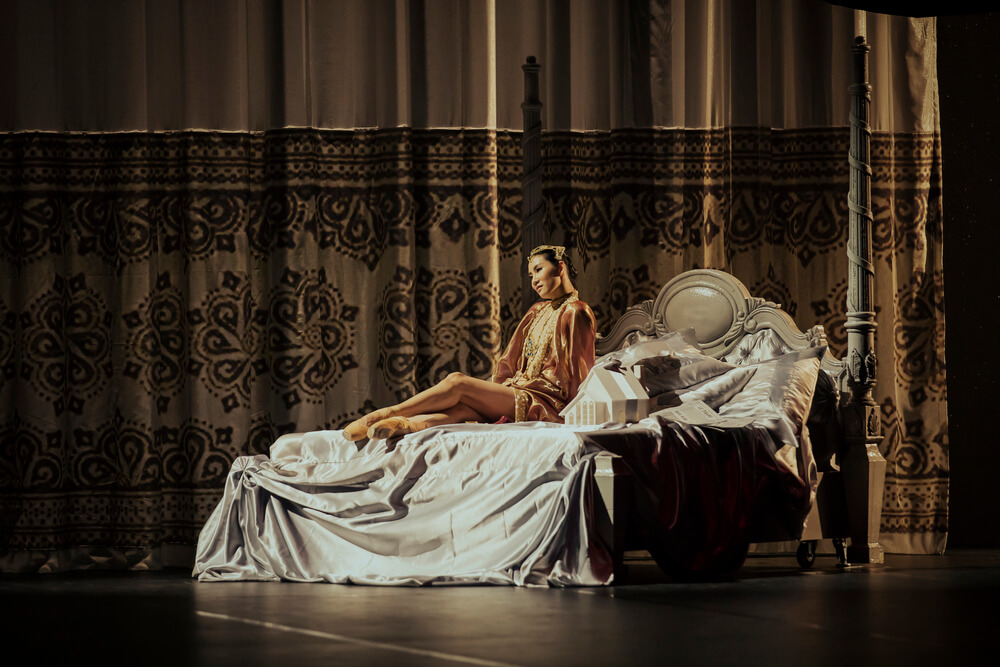
In 1993, he came up with another full-length programme, Mata Hari, with music by Shostakovich. The same year, Haydée appointed him to the post of choreographer-in-residence for the Stuttgart ballet company. This ushered in a gradual change where his dancing career was reduced in favour of more time spent on choreography for the company and abroad.
At about this time, he started his first collaborations with the Opera, choreographing for various operas, which subsequently remained an important aspect of his work.
In 1995, he was appointed as Artistic Director of the Vienna State Opera Ballet Company. During his ten-year term there, Zanella has presented close to fifty own choreographies ranging from short pieces to full-length evening and operas.
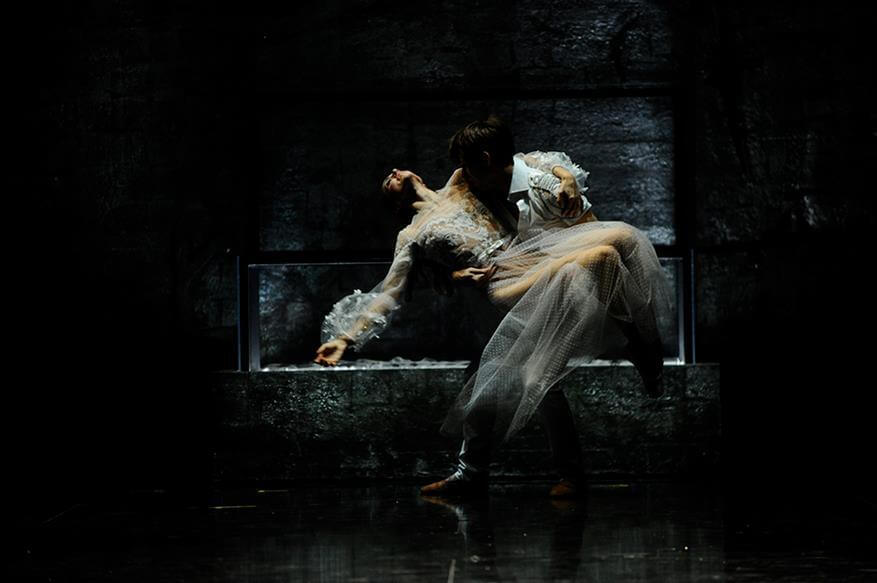
His Mozart ballet from 1998, Wolfgang Amadée, has achieved particular acclaim. In 1999, Zanella paid homage to the local genius Johann Strauß by choosing his music for his own danced version of Aschenbrödel (Cinderella) designed by Christian Lacroix. Zanella has repeatedly used classical music in his works, but is nevertheless also known for his close attachment to modern music. During those years, he has focused more and more on the great challenges of ballet literature such as Stravinsky’s Sacre de printemps, Renard and Petrushka, Ravel’s Bolero, Tchaikovsky’s Nutcracker, and Khachaturian’s Spartacus.
During his ten years, Zanella has transformed the Vienna Ballet Company into a self-reliant ensemble capable of filling even the great roles with their own dancers and meeting the challenges of the greatest choreographers.
Works from Kylian to van Manen, from Forsythe to Neumeier were presented, as well as works from John Cranko, G. Balanchine, Sir Kenneth McMillan, Peter Right, Sir Frederick Ashton.
Traditional choreographies by Petipa and many treatments by Nureyev were also seen. Yet, the lovers of ballet appreciated the fact that the main focus of Zanella’s was to balance great classical repertory, his creations, and the neoclassical repertory.
Zanella gave young choreographers from within his corps de ballet a chance of expressing themselves and paid close attention to the training of the next generation of ballet dancers that were nurtured carefully in a ballet school part of the State Opera, which he directed from 2001 till 2005.
In that period, he developed the project “Off ballet special”, later “Off Stage”, during his period in Greece, a dance exchange between people with special needs and professional dancers. A whole year of teaching ended with a series of performances created by this whole team experience.
Today, he is still deep in the integration project, especially focusing on people with Down syndrome.
During his years as head of the Vienna State Opera Ballet Company, he created numerous choreographies during the traditional Vienna New Year’s Concert performed by the Vienna Philharmonic every January 1st and televised to millions of people all over the world.
Renato Zanella created over 200 works and among others with the Stuttgart Ballet, the Vienna State Opera Ballet, Les Ballets de Monte-Carlo, Introdans, the Deutsche Oper Berlin, the Royal Swedish Ballet, the Istanbul State Ballet, the Hungarian National Ballet, the Ballet du Rhin, the United Theater Krefeld/ Mönchengladbach, the Teatro San Carlo, the Croatian National Theatre, the Badische Staatstheater Karlsruhe, the Municipal Ballett of Lima, the National Ballet of Portugal, Ballett Berlin, Balletto dell´Opera di Roma, the San Francisco Ballet, the Greek National Opera, the Bucarest National Opera, National Opera in Tirana, Slovenina National Opera and Ballet in Ljubljana.
His creation was performed as well by ImPulsTanz, Vienna’s International Dance Festival.
His works are being danced by international great artists as Carla Fracci, Marcia Haydée, Beatrice Knop, Dorothée Gilbert, Shoko Nakamura, Simona Noja, Polina Semionova, Anastasia Volotchkova, Eleonora Abbagnato, Olga Esina, Richard Cragun, Egon Madsen, Tamas Detrich, Alessio Carbone, Manuel Legris, Roberto Bolle, Vladimir Malakhov, Mikheil Kaniskin, Giuseppe Picone, Davide Dato, Kenta Yamamoto, and Denis Cerevichko.
Renato Zanella’s choreography has been seen in over 20 opera productions at the Staatstheater Stuttgart, the Deutsche Oper Berlin, the Vienna State Oper, the San Carlos in Lisbon, Teatro alla Scala, the New Opera Wien, the Marijnski Theater, the Bregenz’s festival, the London´s Royal Opera House, Teatro Pérez Galdós de Las Palmas, the Opera of Zürich, with the Chicago Opera Theater and the Arena di Verona. Those works were in collaboration with opera directors as Götz Friedrich, David Pountney, Hans Neuenfels, Jürgen Flimm, Günter Krämer, Nicola Joel, Nicola Raab, Mario Pontiggia, Pier Luigi Pizzi, Francesco De Simone, and Franco Zeffirelli.
From September 2011 to December 2015, he was the Ballet Director at the Greek National Opera. Here, he continued his creative and educational work with particular care for the difficult economic situation. The production budget was mostly made with the box office, but a strong marketing and the strategy of very close communication with the public made it possible for an intense a creative successful work.
Following Athens, he directed the ballet at the Arena di Verona from 2013 to 2015 (in parallel with Athens), the Romanian National Ballet in Bucharest from September 2016 to December 2017.
From January 2018 to December 2022, he directed the Music School in St Pölten, the Choreo Center Europe, an education program for young choreographers and integration, and from January 2021 to February 2025, he was the Artistic Director of the Slovenian National Ballet in Ljubljana.
Since 2021, he has been an artistic consultant of the “Centro Servizi Culturali Santa Chiara” in Trento, a position he still holds today.
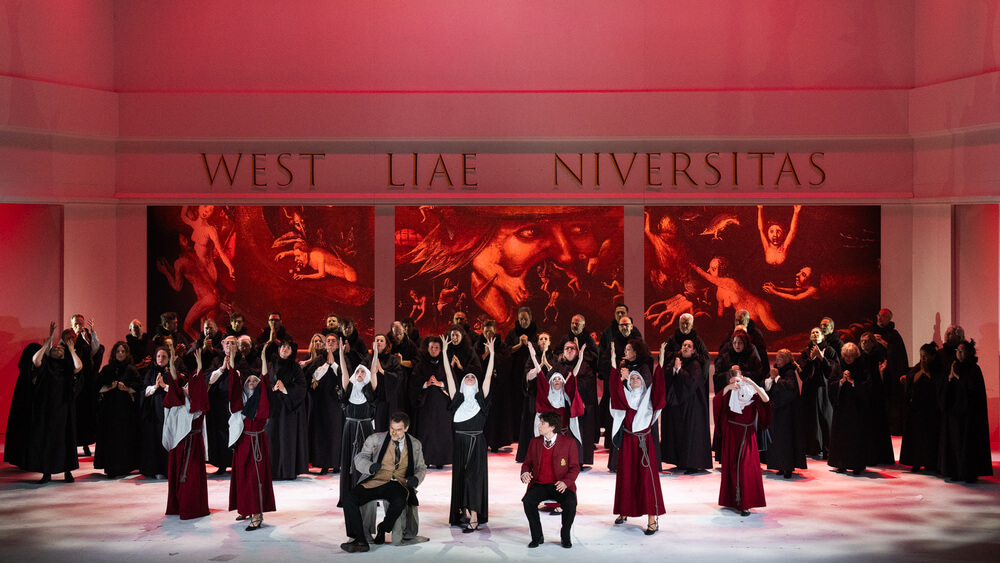
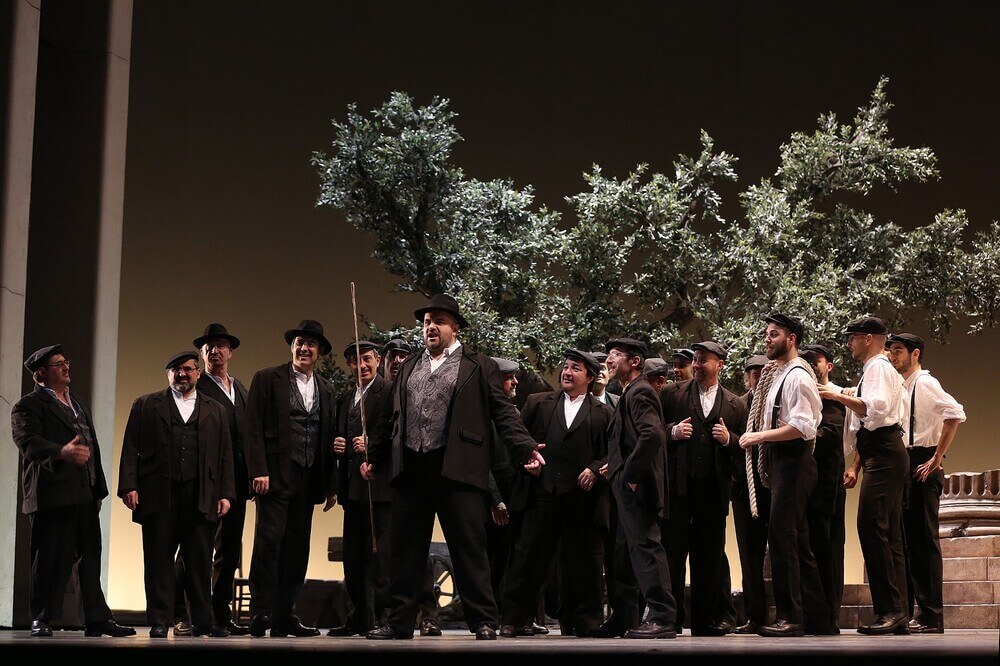
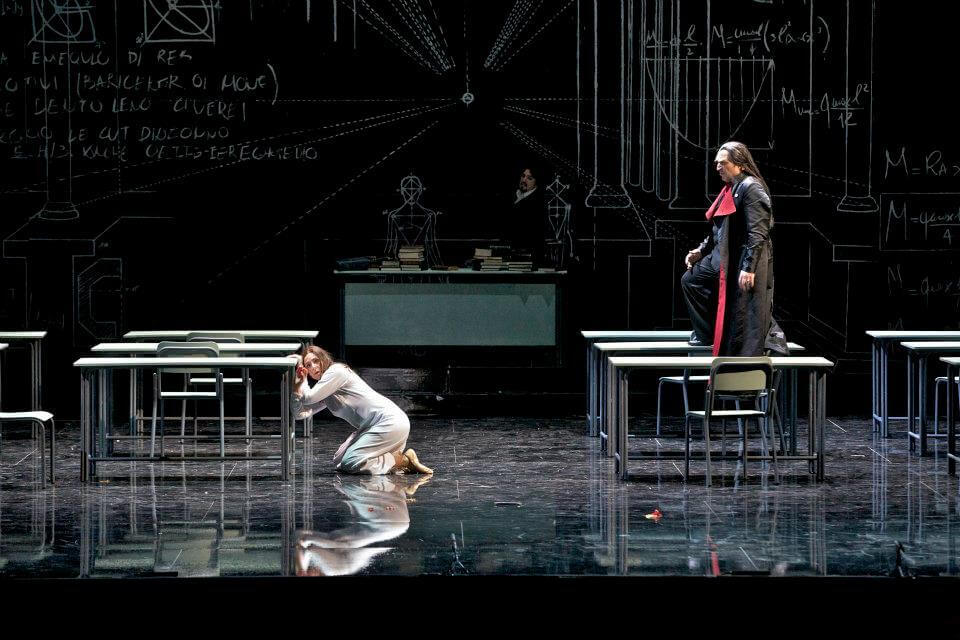
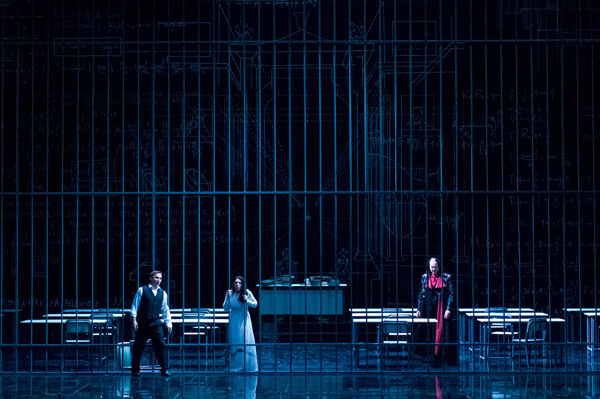
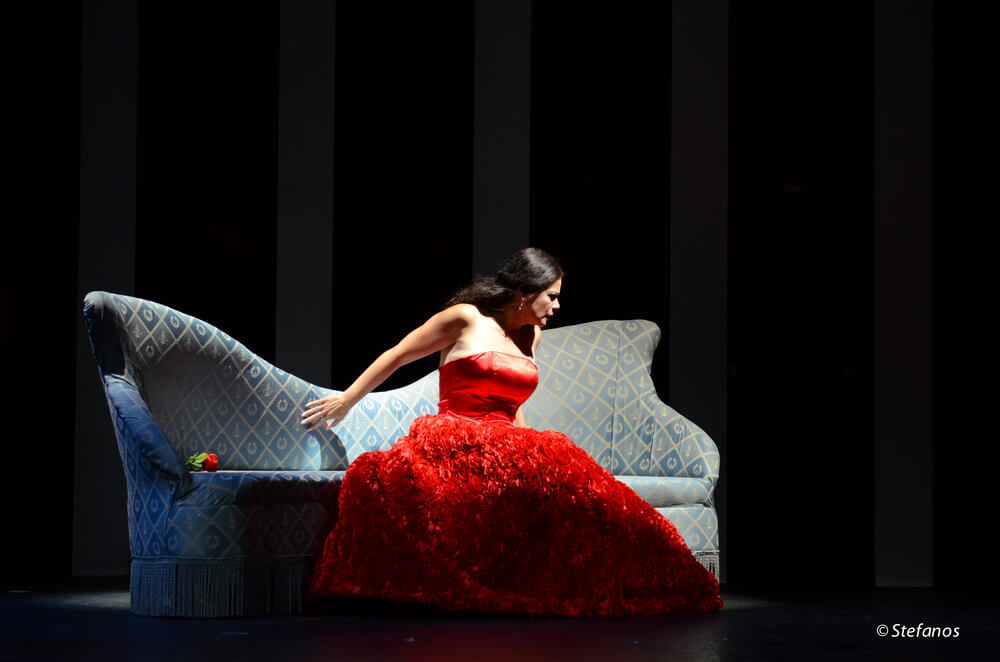
In 2009, Zanella branched out into a new field of artistic endeavour by staging operas. His first project, Così fan tutte, shown at the Attersee Klassik-Festival, was highly acclaimed by the public and the critics. In 2010, he oversaw the production of Carmen and La traviata during the International Festival of the Aegean on the island of Syros in Greece, followed by La traviata, Faust, I Vespri Siciliani by The Greek National Opera, The Merry Widow by the Staats Theater in Mannheim, Cavalleria rusticana for the Arena di Verona, The But by the National Opera in Tirana and Bernstein’s Candide in a co-production between the Teatro Verdi in Trieste and the Teatro Comunale in Bologna.
For the annual New Year’s Concert of the Vienna Philharmonic Orchestra, Renato Zanella has done the choreography for the Austrian TV/ORF since 1994. Since 1996, he has choreographed for the Vienna Opera Ball.
Renato Zanella is the father of four children, speaks fluent Italian, English, French, and German, and has a good knowledge of Spanish. He is teamwork-oriented and has a large international network.
He defines himself and his work as a product born out of curiosity and the addiction to continuously experience new things, meet new personalities and talents, and receive incessantly new inspirations for his work.
Interview: ‘Candide’ by L. Bernstein at the Teatro Comunale di Bologna (directed by Renato Zanella) – 2025
Interview: ‘Mata Hari’ ballet w. the Korean National Ballet (choreography by Renato Zanella) – 2018
‘Candide’ by L. Bernstein at the Teatro Comunale di Bologna (directed by Renato Zanella) – 2025